
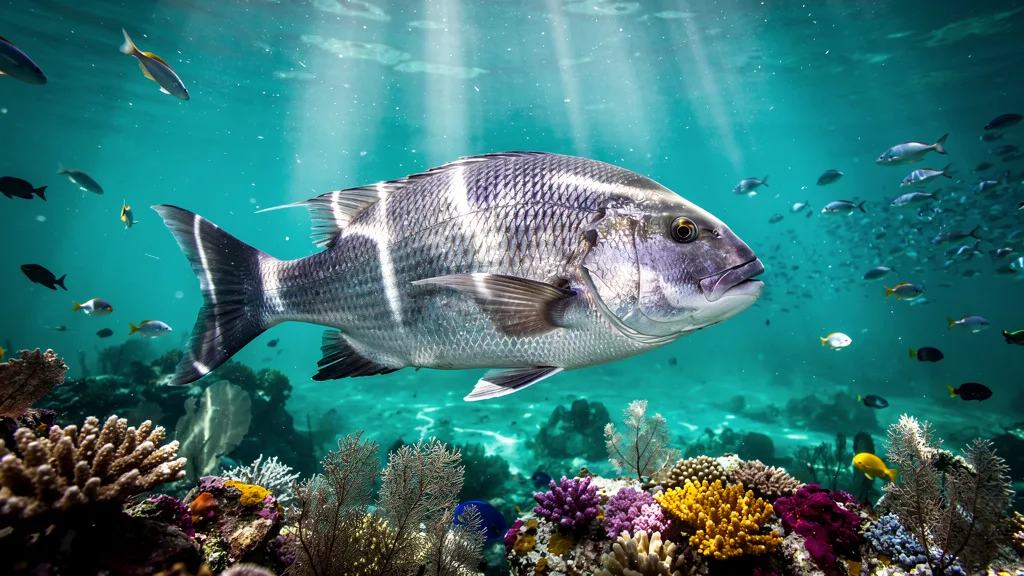
The Bermuda Chub: Exploring the Resilience and Power of an Overlooked Island Species
While many anglers visiting the crystal-clear waters of the Atlantic focus their attention on high-profile game fish like marlin or tuna, a local powerhouse often goes unnoticed. The Bermuda chub (Kyphosus sectatrix), a species deeply woven into the island’s marine ecosystem, is finally receiving recognition for its strength and ecological importance. Often dismissed by commercial fisheries, this herbivorous fighter provides a unique challenge for light-tackle enthusiasts and plays a vital role in maintaining the health of coral reefs.
A Formidable Opponent for Anglers
The Bermuda chub is known for its incredible stamina and sudden, powerful bursts of speed. Found predominantly around rocky shorelines and shallow reefs, these fish can grow to significant sizes, often exceeding 10 pounds. Because they feed primarily on algae, they are notoriously difficult to hook using traditional bait methods. Anglers who successfully target them often rely on specialized techniques, such as using bread or seaweed-based lures, to entice a strike. The fight that follows is often compared to that of much larger species, as the chub utilizes its broad body to dive deep into reef structures, testing the limits of even the most durable fishing lines.
Ecological Significance and Conservation
Beyond the thrill of the catch, the Bermuda chub serves as a natural gardener for the reef. By grazing on macroalgae, they prevent coral from being smothered, ensuring the reef remains a vibrant habitat for diverse marine life. This ecological role is increasingly important as global reef systems face environmental pressures. Understanding the balance of these local ecosystems is a priority for conservationists worldwide, similar to how the Michigan DNR releases latest fishing reports to monitor inland and Great Lakes water health.
Global Trends in Local Angling
The rising interest in local species like the Bermuda chub mirrors a global trend toward celebrating regional biodiversity. In Australia, community-driven events such as the Gone Fishing Day have expanded to full weekend celebrations to encourage sustainable local fishing. Similarly, technological advancements are helping anglers discover new spots for local species, such as when Massachusetts launched a comprehensive interactive map to assist both novice and experienced fishermen.
The Ethics of the Catch
As the Bermuda chub gains popularity, the conversation regarding sustainable practices becomes more relevant. While some locals traditionally prepare the fish in stews or chowders, many modern anglers prefer to return them to the water to preserve the reef’s health. This shift reflects the ethical debate surrounding catch-and-release fishing and its long-term impact on fish populations. Even in urban environments, the discovery of unexpected species can spark excitement, much like the rare River Mersey catch that recently highlighted the success of conservation efforts in the UK.
For those looking to experience the raw power of Bermuda’s coastal waters, the chub offers an accessible yet challenging adventure. It serves as a reminder that some of the most rewarding experiences in fishing come from the species right under our noses. For more detailed insights into this local species, you can read the original report from the Royal Gazette.