
Catch-and-Release Fishing: What Research Says About Fish Welfare
Catch-and-release fishing is widely used by recreational anglers, but releasing a fish does not necessarily mean it experiences no harm. Scientific reviews document physiological stress, physical injury and sometimes delayed mortality after capture and handling.
Researchers note that the severity of these effects varies by species, water temperature, hook placement, fight duration and time spent out of water. The effects on entire fish populations are harder to establish than the short-term effects on individual fish.
How anglers can reduce harm
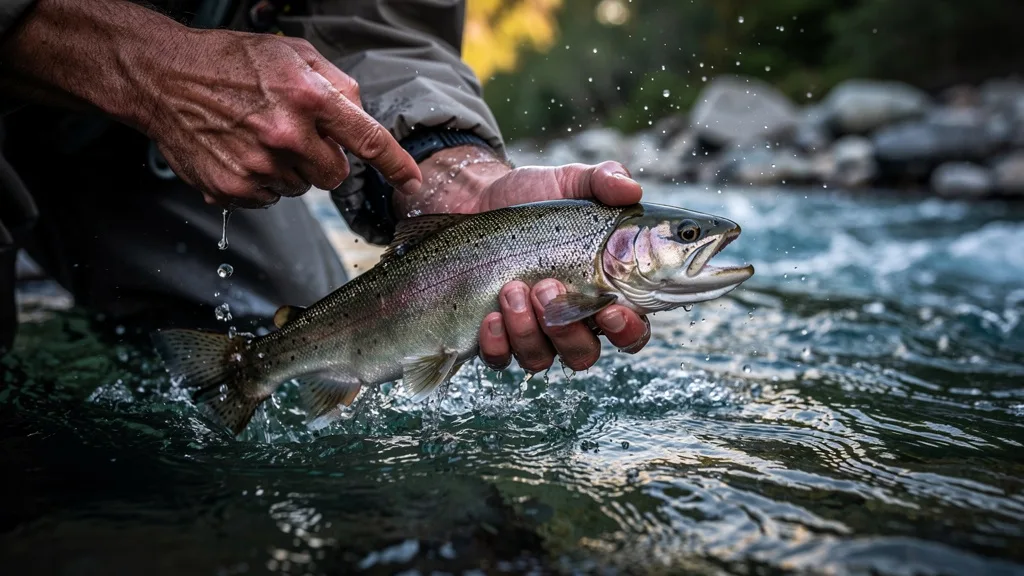
Evidence-based recommendations include keeping handling and air exposure brief, using appropriate hooks and gear, and returning fish promptly to the water. Anglers should also follow local regulations and avoid fishing practices that place additional stress on vulnerable species in warm conditions.
Catch-and-release remains a fisheries-management tool, but responsible technique matters for fish welfare and survival.
Sources: USGS: Catch-and-release science and its application to conservation and management; Cooke et al., review of physiological consequences; Best practices for catch-and-release recreational fisheries.