
From Parking Lots to Neon Strips: The Evolution of Formula 1 in the United States
Formula 1’s relationship with the United States has been a long, winding, and often experimental journey. While the sport currently enjoys unprecedented popularity in America thanks to the ‘Netflix effect’ and high-profile races in Miami and Las Vegas, the historical landscape of US Grands Prix is a colorful tapestry of iconic circuits and unconventional venues. From the high-speed curves of Watkins Glen to the infamous temporary track in a Las Vegas parking lot, the visual history of American racing reflects the sport’s persistent effort to conquer the Western market.
The Golden Era at Watkins Glen and Long Beach
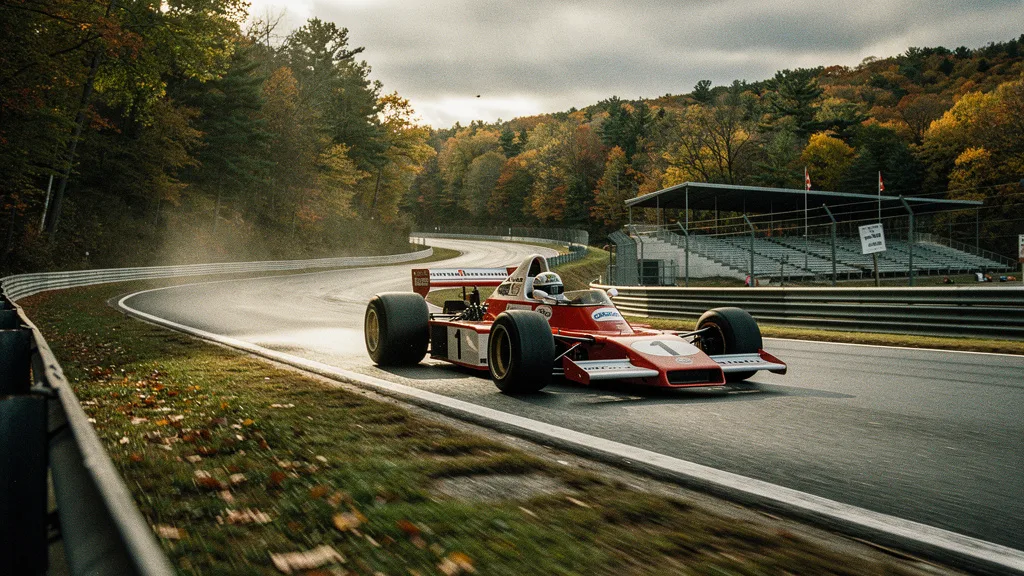
For many purists, the heart of American Formula 1 remains at Watkins Glen in upstate New York. Hosting the United States Grand Prix from 1961 to 1980, ‘The Glen’ was a favorite among drivers for its challenging elevation changes and scenic backdrop. It was an era where the sport felt raw and integrated into the American landscape. Simultaneously, the West Coast offered its own unique flavor with the Long Beach Grand Prix. Often dubbed the ‘Monaco of the West,’ Long Beach brought the glamour of street racing to California, providing some of the most enduring images of the late 70s and early 80s.
Unconventional Venues: Dallas and Caesars Palace
The 1980s saw Formula 1 attempting to bring the spectacle directly to the people, leading to some of the most debated venues in racing history. Perhaps the most notorious was the Caesars Palace Grand Prix in Las Vegas. Unlike the current glittering night race on the Strip, the 1981 and 1982 editions were held on a temporary circuit laid out in the hotel’s parking lot. While the layout was criticized for being repetitive and physically grueling, it remains a fascinating chapter in the sport’s visual history. Similarly, the 1984 Dallas Grand Prix, held in blistering heat on a crumbling street surface, showcased the sheer grit required to compete in F1 during that era.
The Return to Tradition at Indianapolis
After a hiatus from the US market, Formula 1 made a high-profile return in 2000 at the legendary Indianapolis Motor Speedway. By utilizing a purpose-built infield section combined with the iconic banked Turn 1 of the oval, the sport sought to bridge the gap between European road racing and American oval tradition. While the 2005 tire controversy left a temporary stain on the event’s legacy, the images of F1 cars screaming past the ‘Yard of Bricks’ remain a significant part of the sport’s American identity. This period of growth paved the way for modern discussions regarding Red Bull’s internal dynamics and the Ferrari question as teams now prepare for a triple-header of US-based influence.
A Modern American Renaissance
Today, the United States serves as a cornerstone of the F1 calendar. The Circuit of the Americas (COTA) in Austin has become a modern classic, while the additions of Miami and the revamped Las Vegas night race have turned Grands Prix into major cultural events. This expansion mirrors the growth seen in other sectors, such as the technological leaps in the Minn Kota Unified Fishing System or the high-performance engineering found in Simms Rip Line Pro gear. As the sport continues to evolve, these historical images serve as a reminder of how far Formula 1 has come in its quest to win over the American public. For more historical context and a look at these iconic moments, you can view the original gallery at BBC Sport.