
Awakening the Elite: Ranking the Greatest Sleeping Giants in European Football
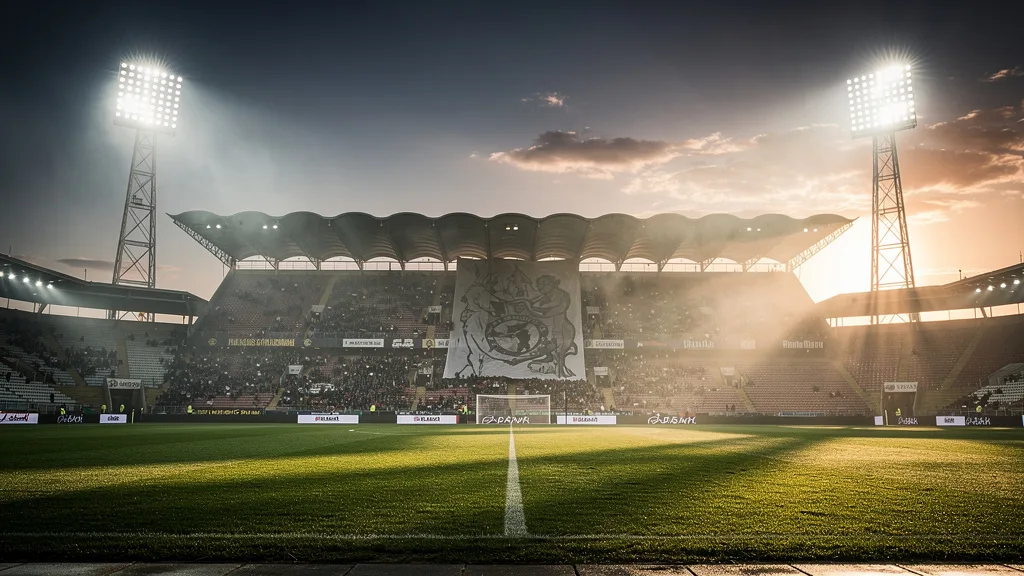
European football history is paved with the legacies of clubs that once dominated their domestic leagues and continental competitions, only to fall into periods of prolonged stagnation or decline. These ‘sleeping giants’ possess the infrastructure, fanbases, and historical prestige of elite institutions but currently find themselves far removed from the heights of the Champions League. From the industrial heartlands of France to the sun-drenched stadiums of Spain, the struggle to return to relevance remains one of the most compelling narratives in the modern game.
The French Connection: Saint-Etienne’s Long Road Back
Few clubs embody the term ‘sleeping giant’ quite like AS Saint-Etienne. Once the undisputed kings of French football, Les Verts held the record for the most Ligue 1 titles for decades before being overtaken by Paris Saint-Germain. Their decline has been marked by financial instability and inconsistent performances, leading to a painful stint in the second tier. However, the passion of their supporters remains undiminished, serving as a constant reminder of the club’s potential to disrupt the current hierarchy if they can find the right sporting project.
Spanish Heritage and the Struggle of Real Zaragoza
In Spain, Real Zaragoza stands as a testament to how quickly fortunes can shift. A club that once boasted the talents of global stars and captured the UEFA Cup Winners’ Cup in 1995, Zaragoza has spent over a decade outside of La Liga. The absence of such a historic club from the top flight is felt deeply across Spanish football. While modern giants like Real Madrid continue to monitor top international talent like Scott McTominay to maintain their dominance, Zaragoza serves as a cautionary tale of how difficult it is to climb back once the momentum is lost.
The Italian Stalwarts: Sampdoria and the Ghost of 1991
Italy’s Serie A has seen its fair share of fallen titans, but Sampdoria’s recent struggles are particularly poignant. The Genoese club, which famously reached the European Cup final in 1992 and won the Scudetto in 1991, has recently faced the grim reality of relegation and financial peril. The path back to the top is steep, especially as the financial gap between the elite and the rest of the pyramid continues to widen. Fans often test their football IQ by recalling the legendary lineups of the early 90s, hoping that a new era of investment might mirror those golden years.
The Blueprint for a Successful Resurrection
Returning to the summit requires more than just a famous name; it requires astute recruitment and visionary leadership. We have seen clubs like Aston Villa successfully navigate this path, moving from Championship mediocrity to Champions League contenders. Their recent ambition is evident, as seen in reports that Aston Villa have been linked with an ambitious loan move for Real Madrid starlet Endrick. For the likes of Sampdoria or Saint-Etienne, following such a blueprint of smart recruitment and commercial growth is the only way to ensure their ‘giant’ status is no longer just a memory.
The Role of Experience and Leadership
Sometimes, the spark for a revival comes from unexpected places or returning legends. The impact of veteran leadership cannot be overstated, a sentiment echoed by the news that Manchester City legend David Silva is making a shock return to professional football at 40. Whether it is through legendary players or the guidance of elite officials who understand the pressure of the big stage—much like how referee Slavko Vincic reflects on the intensity of a World Cup final—these clubs need a culture of excellence to permeate every level of their organization.
Ultimately, the beauty of European football lies in its volatility. While the current giants seem untouchable, history suggests that the cycle of rise and fall is inevitable. For the fans of these sleeping giants, the hope remains that their club is just one successful season away from reclaiming their seat at the top table. More details on the ranking of these historic clubs can be found via the original report by BBC Sport.