
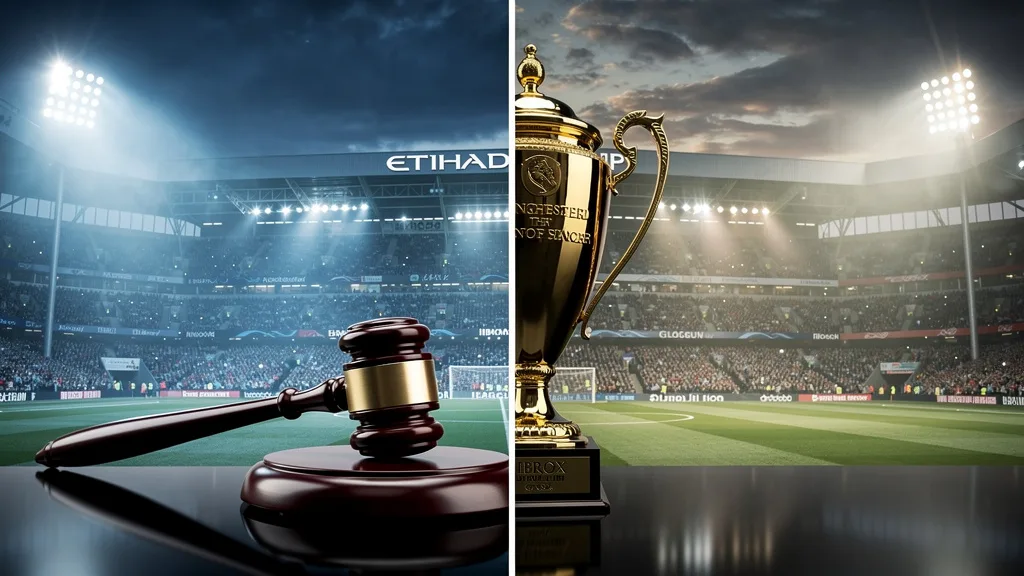
Analyzing the Precedents: What the 2012 Rangers Collapse Could Mean for Manchester City
As the footballing world awaits the final ramifications of the Premier League’s investigation into Manchester City, comparisons are increasingly being drawn to one of the most significant financial collapses in British sporting history: the 2012 liquidation of Rangers FC. While the legal frameworks and specific allegations differ, the potential for seismic shifts in the competitive landscape remains a central theme for both clubs. The uncertainty surrounding the Etihad Stadium has led many to look north of the border to understand how a major institution handles severe sporting and financial sanctions.
A Tale of Two Financial Crises
The situation at Rangers in 2012 was primarily driven by an inability to pay mounting tax debts, leading to administration and eventually liquidation. In contrast, the case involving the reigning Premier League champions centers on alleged breaches of financial regulations over a nine-year period. Recently, Manchester City was found guilty of financial breaches in a landmark Premier League ruling, sparking intense debate over what the appropriate punishment should be. While Rangers were forced to restart in the lowest tier of Scottish professional football, City faces a range of possibilities from heavy fines to points deductions or even expulsion.
The Question of Stripped Titles
One of the most contentious points in the Rangers saga was the debate over whether the club should be stripped of its titles won during the years of financial mismanagement. Ultimately, an independent commission led by Lord Nimmo Smith ruled that Rangers had gained no unfair sporting advantage, allowing them to keep their trophies. This precedent is particularly relevant as Premier League rivals demand a resolution to the Manchester City Financial Fair Play case this season, with many calling for retrospective action that could alter the history books of English football.
Sporting Integrity and Economic Impact
The fallout from such cases extends beyond the pitch, touching on the very core of how modern clubs are governed. The Rangers case showed that even the largest institutions are not immune to total structural collapse. Experts analyzing the intersection of finance and competition note that the modern sports economics landscape is far more complex now than it was a decade ago, with global broadcasting rights and multi-club ownership models adding layers of difficulty to any potential disciplinary measures.
Maintaining a Legacy Amidst Turmoil
Despite the legal battles, those closely associated with the club have sought to protect the achievements of the players and coaching staff. For instance, Enzo Maresca has defended the Manchester City legacy following the financial breach verdict, echoing the sentiments of Rangers fans who maintained that their team’s on-field success remained valid regardless of boardroom failings. However, critics like Rui Pinto, who has criticized FIFA leadership, argue that the integrity of the sport depends on strict adherence to the rules by all parties.
As reported by the BBC, the Rangers comparison serves as a stark reminder that the path back to the top can be long and arduous. Whether Manchester City faces a similar “start from scratch” scenario or a more modern regulatory penalty remains the most significant question in English football today.