
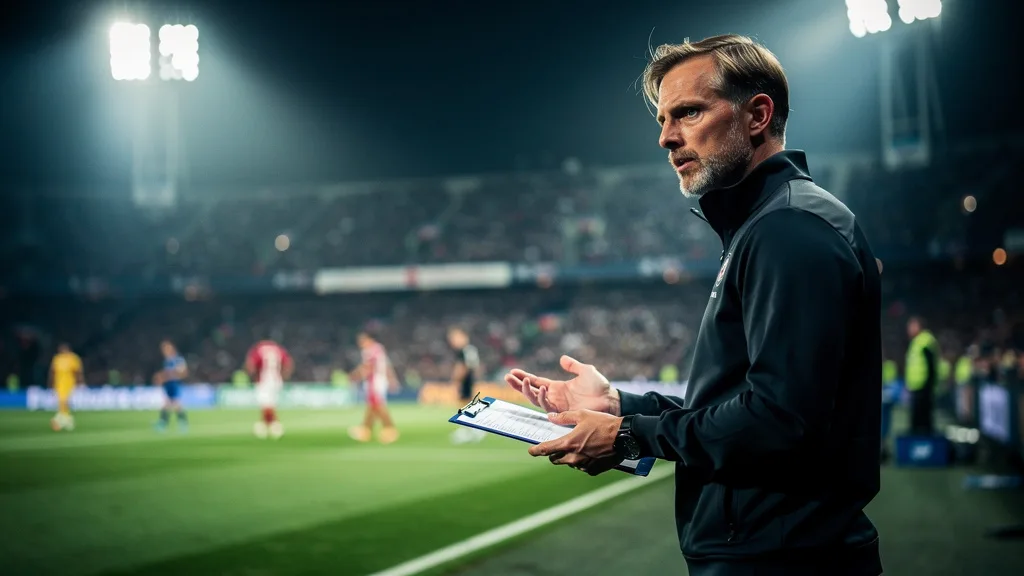
Evolution Over Revolution: Analyzing Thomas Tuchel’s Refined Blueprint for England
As Thomas Tuchel officially takes the reins of the England national team, the tactical discourse has shifted from radical overhauls to subtle refinements. Rather than tearing up the foundation laid by his predecessors, the German tactician appears focused on a ‘version 2.0’ approach—tweaking specific mechanisms to maximize the world-class talent at his disposal. The objective is clear: transform a consistent tournament contender into a trophy-winning machine by sharpening the team’s tactical identity.
Tactical Continuity and Strategic Tweaks
Tuchel’s arrival has sparked intense debate regarding his preferred formation. While he is often associated with the three-man defense that brought him Champions League glory at Chelsea, his early indications suggest a more fluid approach. The emphasis is not necessarily on the starting shape, but on how England controls transitions. By implementing a more aggressive counter-pressing system, Tuchel aims to reduce the periods of passivity that occasionally hindered the Three Lions in major finals.
Central to this evolution is the role of the captain. With Harry Kane remaining the focal point of the attack, Tuchel is expected to utilize the striker’s playmaking abilities more effectively. Kane, who recently made headlines as Harry Kane Matches Peter Shilton’s Historic England Appearance Record, will likely be flanked by inverted wingers to exploit the half-spaces, a hallmark of Tuchel’s successful stints at Paris Saint-Germain and Bayern Munich.
Midfield Balance and Technical Control
One of the primary challenges for the new manager is finding the perfect balance in the engine room. Tuchel has historically favored midfielders who can dictate the tempo while offering defensive solidity. This search for technical excellence mirrors the current trend of players looking toward the future of the game, as seen with several Premier League Stars Preparing for Executive Roles. For England, the integration of younger talents alongside established veterans will be crucial.
Adapting to Modern Demands
The modern international game requires a squad that can adapt mid-match. Tuchel’s reputation as a ‘chess player’ on the touchline suggests that England will become more reactive to in-game developments. This tactical flexibility is essential when facing elite opposition who are constantly scouting for weaknesses. While the transfer market continues to buzz with rumors, such as Real Madrid Eyeing a Surprise Move for Scott McTominay, Tuchel’s focus remains entirely on the collective harmony of his international selection.
Building a Winning Culture
Beyond the X’s and O’s, Tuchel is tasked with instilling a ruthless winning mentality. The blueprint involves fostering a high-performance environment where competition for places is fierce. Whether it is a veteran like David Silva making a shock return to football at 40 or a rising star like Endrick being linked with Premier League moves, the standard of excellence in top-tier football is non-negotiable. Tuchel’s England 2.0 is not about changing who the players are, but about refining how they execute under pressure.
As reported by the BBC, this new era is defined by evolution rather than a total rewrite. By building on the existing chemistry of the squad and adding his signature tactical discipline, Tuchel hopes to finally bring silverware back to Wembley.