
The Future of Formula 1 Power Units: Exploring the Potential Return of V8 Turbos
As the Formula 1 season gathers momentum following a dramatic weekend in Malaysia, the technical direction of the sport has once again become a central point of discussion among fans and experts alike. Following a race where Verstappen dominated as Hamilton staged a remarkable recovery, questions are being raised about the long-term evolution of engine regulations and how the sport handles the challenges of wet-weather racing.
The Debate Over V8 Turbo Engines
One of the most intriguing topics currently circulating in the paddock is the possibility of a shift toward V8 turbo power units in the future. While the current hybrid V6 era has focused heavily on efficiency and electrical integration, there is a growing conversation regarding the balance between sustainable technology and the raw spectacle that fans crave. The idea of a V8 turbo configuration is seen by some as a potential middle ground—offering the high-performance characteristics associated with F1’s heritage while allowing for modern turbocharging and hybrid enhancements.
However, any significant change to engine architecture requires years of planning and unanimous support from manufacturers. The current focus remains on the 2026 regulations, which will see a significant increase in electrical power and the use of 100% sustainable fuels. Engaging with these technical shifts is a core part of Formula 1 insights as the season intensifies and teams begin to look toward the next generation of racing.
Addressing Wet Weather Challenges
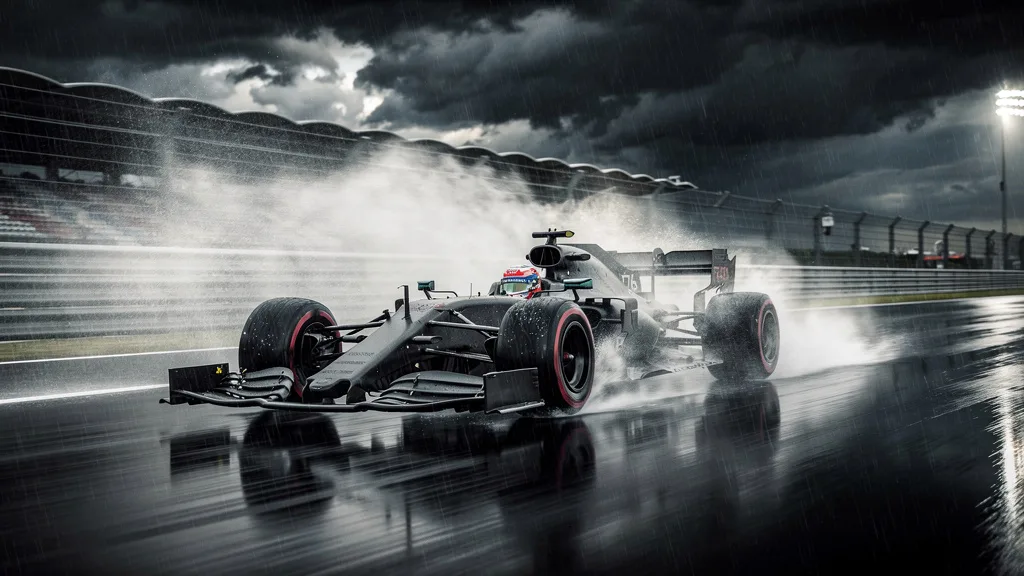
Beyond the roar of the engines, the recent events in Malaysia highlighted the ongoing struggle Formula 1 faces with visibility and safety during wet races. Modern ground-effect cars produce a significant amount of spray, which often leads to lengthy delays or red flags. This has led to calls for innovative solutions, such as ‘wheel arches’ or specialized mudguards, to mitigate the water dispersion that blinds trailing drivers.
The technical reliability of these cars under extreme conditions is also under the microscope. We recently saw Carlos Sainz call for an urgent review after widespread software failures impacted the grid. These glitches were so disruptive that Hamilton and Verstappen compared the software issues to a ‘Lego Race’, highlighting how even the most advanced machines can be humbled by electronic instability.
The Road Ahead
As F1 continues to balance its identity as a pinnacle of engineering with its role as a global entertainment product, the dialogue between the FIA, teams, and fans remains vital. Whether the sport eventually returns to a V8-style roar or continues its path toward full electrification, the priority remains clear: maintaining the highest level of competition while ensuring safety in all weather conditions. For those looking for a break from the high-speed technicalities of the track, you can always pivot to The Ultimate Football Challenge to test your sports knowledge in other arenas.
This report was based on insights and Q&A sessions originally detailed by BBC Sport.