
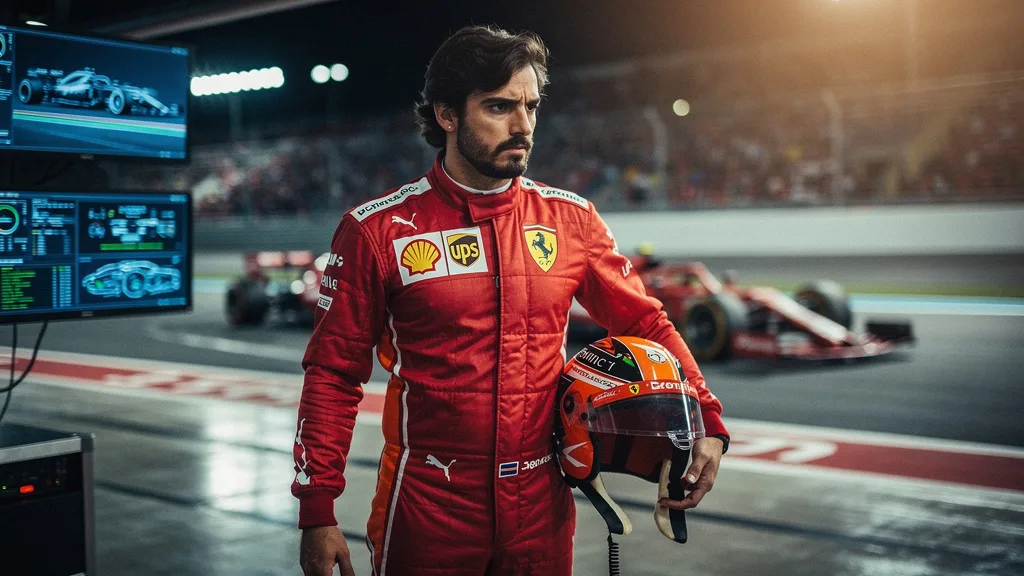
Carlos Sainz Calls for Urgent Formula 1 Review After Widespread Software Failures
Ferrari driver Carlos Sainz has issued a stern warning to Formula 1 leadership, stating the sport needs to “have a hard look at itself” following a series of unprecedented technical failures. The recent Bahrain Grand Prix in Malaysia was marred by significant software glitches that disrupted the competitive balance and left drivers questioning the reliability of the sport’s current technological infrastructure. The issues, which affected multiple teams across the grid, have sparked a heated debate about the complexity and stability of the systems governing modern racing.
A Weekend Defined by Technical Chaos
The problems began to surface early in the weekend, but reached a breaking point during the main event. Drivers reported erratic behavior from their steering wheel displays, incorrect engine mapping data, and failures in the mandatory FIA telemetry systems. Sainz, who has been vocal about the need for consistency, expressed his frustration that such high-level competition could be compromised by avoidable digital errors. The Spaniard emphasized that while F1 prides itself on being the pinnacle of engineering, the recent events suggest a vulnerability that could undermine the sport’s integrity.
The situation in Malaysia was particularly jarring given the high expectations for the event. Earlier in the week, Red Bull dominance loomed as Verstappen impressed in scorching Malaysian practice, but even the championship leaders were not immune to the digital instability. The contrast between the mechanical prowess of the cars and the fragility of the software has become a primary talking point in the paddock.
Drivers Compare F1 to ‘Lego’ Amidst Glitches
Sainz is not the only driver to speak out against the technical shortcomings. His peers have used even more colorful language to describe the experience of driving a multi-million dollar machine that feels disconnected from the driver’s inputs. In a surprising moment of unity, Hamilton and Verstappen compared the F1 software glitch to a ‘Lego Race’, highlighting how the technical issues made the cars feel unpredictable and toy-like at high speeds.
According to a report by the BBC, the glitches were linked to a specific update in the central marshaling and telemetry software. This failure meant that drivers were often unaware of flag signals or their own lap times, creating a safety concern in addition to the sporting frustration. For Sainz, the fact that these issues occurred during a race where Verstappen dominated as Hamilton staged a remarkable recovery only adds to the sense that the results were overshadowed by the technical backdrop.
Looking Toward the Future
As the paddock moves forward, the focus shifts to how the FIA and Formula 1 management will address these systemic vulnerabilities. With the season intensifying, there is little room for error. Experts suggest that the sport must find a balance between cutting-edge innovation and the fundamental reliability required for fair competition. As noted in recent Formula 1 insights, the pressure is mounting on technical directors to ensure these “unprecedented” glitches do not become a recurring theme of the season.
Furthermore, the internal politics of the top teams may be affected by these technical hurdles. The way teams manage these crises could influence the broader championship narrative, including Red Bull’s internal dynamics and the Ferrari question as they attempt to close the gap. For Sainz and his colleagues, the message is clear: the technology must serve the racing, not hinder it.